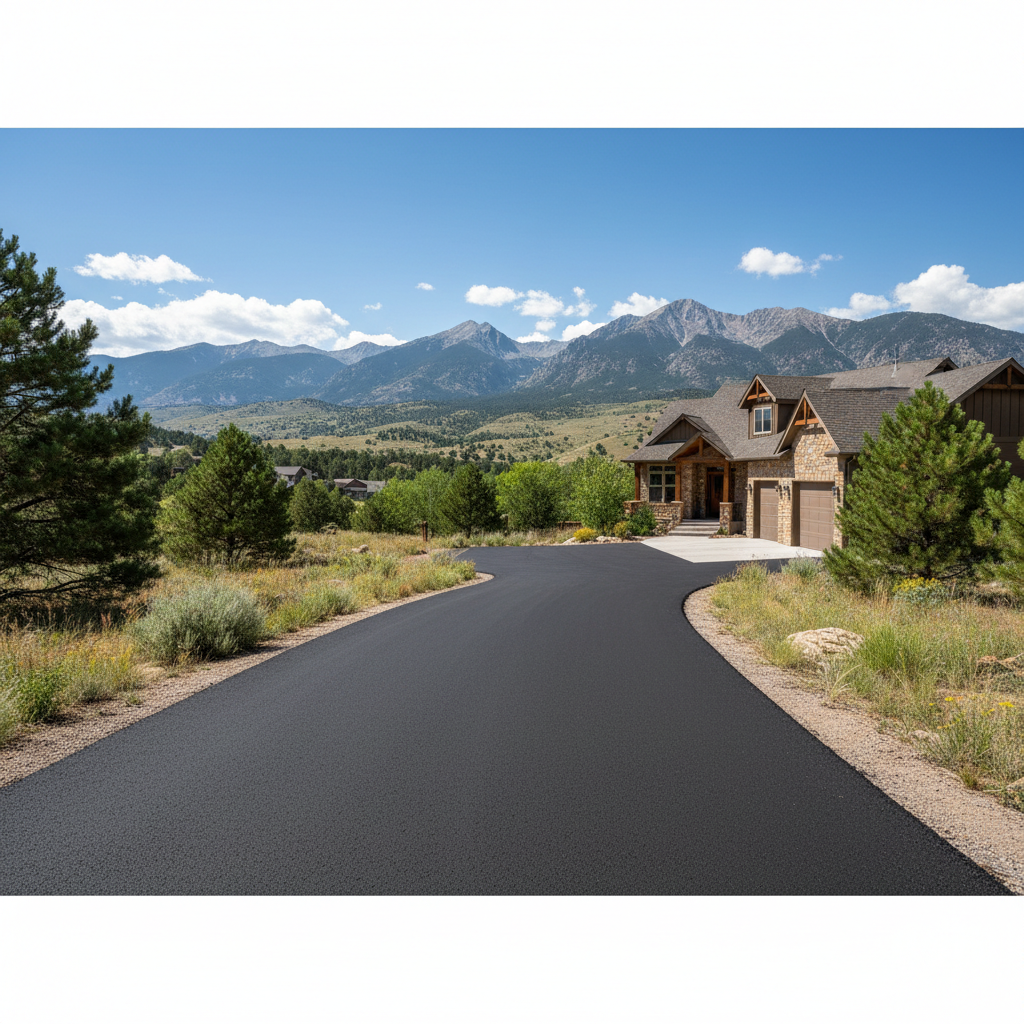
So, you're thinking about getting a new driveway. That's a big project, and if you're in Boulder, you know it's an investment you want to get right. I've seen a lot of driveways come and go over the years, and the biggest difference between a smooth project and a headache usually comes down to planning. Let's talk about what you need to know before you even pick up the phone.
Timeline: What to Expect from Start to Finish
People often underestimate how long a driveway project can take, especially here in Boulder with our weather. It's not just the days the crew is on site. From your first thought to driving on your new asphalt, here's a realistic breakdown:
- Initial Research & Quotes (2-4 weeks): You'll want to get a few bids. Don't rush this. Talk to contractors, check their references, and make sure they understand your specific needs.
- Scheduling & Permitting (2-6 weeks): Once you pick a contractor, they'll need to fit you into their schedule. Good contractors are busy. If you're doing major work that involves expanding the driveway or changing drainage, you might need city permits, which adds time.
- Preparation & Installation (3-7 days): This is the actual work. Demolition, grading, base prep, and laying the asphalt. Weather plays a huge role here. We can't pave in the rain or when it's too cold, which happens a lot in the shoulder seasons around here.
- Curing Time (7-14 days): After the asphalt is down, it needs to cure. You can usually drive on it after a few days, but it's best to avoid heavy vehicles or sharp turns for a week or two to let it fully harden.
All told, you're looking at anywhere from 6 weeks to 3 months, sometimes more, depending on the season and how complex your project is. Don't plan a big party on your new driveway the weekend after you sign the contract.
What Happens During the Paving Process?
When the crew shows up, here's what you'll typically see:
- Demolition: If you have an old driveway, we'll break it up and haul it away. This is usually the loudest and dustiest part.
- Grading and Excavation: We'll make sure the ground underneath is properly sloped for drainage. This is critical. You don't want water pooling on your new driveway or running towards your foundation, especially with the heavy spring runoff we get from the Flatirons.
- Base Preparation: A good, solid base of gravel is essential. We'll lay it down, compact it thoroughly, and make sure it's stable. This is what supports your asphalt and prevents cracking.
- Binder Layer (if needed): For thicker driveways or certain soil conditions, we might put down a binder layer before the surface course.
- Asphalt Paving: Hot asphalt mix is delivered, spread evenly, and compacted with rollers. This is where the magic happens and your driveway starts to take shape.
- Compaction & Finishing: More rolling to ensure a smooth, dense surface. We'll pay attention to edges and transitions.
It's a pretty intense few days, but a professional crew like us at Boulder Asphalt Pros knows how to keep things moving efficiently and safely.
How to Prepare Your Property
You can help make the process smoother for everyone:
- Clear the Area: Move cars, bikes, trash cans, planters, anything on or near the driveway.
- Trim Landscaping: If you have bushes or tree branches hanging over the driveway, trim them back. It gives the crew room to work and protects your plants.
- Mark Sprinklers/Utilities: If you have an invisible dog fence, sprinkler heads, or underground lighting near the driveway, mark them clearly. We try to be careful, but it's your responsibility to point out what's buried.
- Plan for Access: You won't be able to use your driveway during the work, and for a few days after. Figure out where you'll park your cars.
- Communicate: Talk to your neighbors if the work might affect them, especially if equipment needs to be staged on the street.
Questions to Ask Before You Sign That Contract
Don't just go with the cheapest bid. Ask these questions:
- Are you licensed and insured? Get proof. It protects you if something goes wrong.
- Can I see references or past projects? A good contractor will be happy to show off their work.
- What's included in the price? Get a detailed quote. Does it include demolition, hauling, base materials, asphalt thickness, and cleanup? What about drainage solutions?
- What's your warranty? How long is it, and what does it cover?
- How do you handle unforeseen issues? Sometimes, we uncover surprises once we start digging. How will they communicate potential extra costs?
- What's your payment schedule? Avoid contractors who demand full payment upfront. A deposit is normal, with the balance due upon completion.
- How do you protect my property? Will they put down plywood to protect your lawn from heavy equipment, for example?
Asking these questions upfront saves you a lot of headaches later. You want a contractor who's transparent and stands by their work. A new driveway is a big investment in your home, so take the time to plan it right.