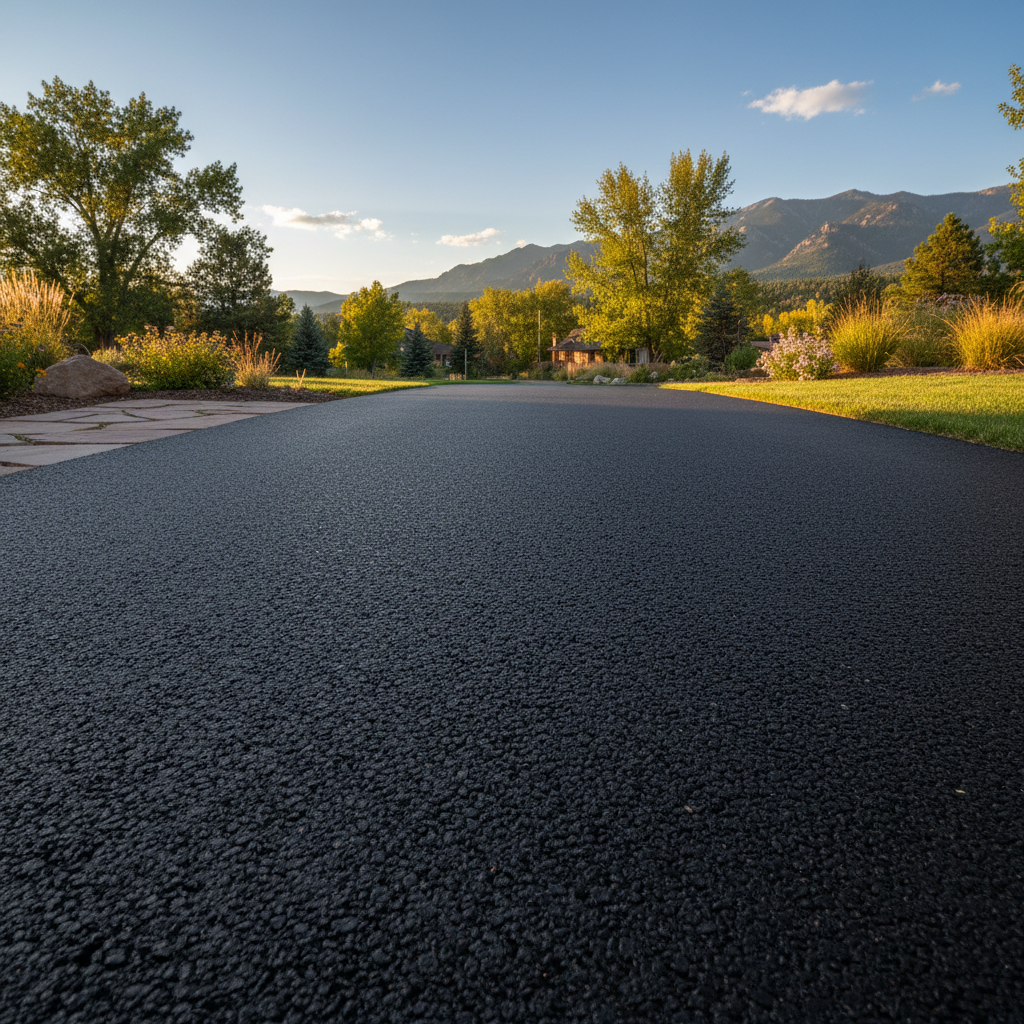
When's the best time of year to get a new asphalt driveway in Boulder?
Honestly, spring and fall are your best bets around here. The ground needs to be thawed, and we need consistent temperatures above 50 degrees Fahrenheit for the asphalt to cure properly. Trying to pave in the dead of winter when the ground's frozen solid, or in the peak of summer when it's scorching hot and the asphalt cools too fast, just doesn't lead to a quality, long-lasting job. We've got a pretty good window in Boulder, usually from late April through October, but it really depends on the specific year's weather.
How long does a new asphalt driveway typically last?
A well-installed and properly maintained asphalt driveway should give you a good 15 to 20 years, sometimes even more. But that's with a couple of big caveats. First, it's got to be installed right – good base prep is crucial. Second, you've got to take care of it. That means regular sealcoating, usually every 2-3 years, and addressing cracks as they pop up. If you ignore those things, you'll be looking at repairs or replacement a lot sooner. Think of it like your car; you wouldn't expect it to last without oil changes, right?
What causes cracks and potholes, and how serious are they?
Cracks and potholes are usually a sign that water is getting where it shouldn't. Small hairline cracks are pretty normal over time, especially with our freeze-thaw cycles here in Boulder. Water gets into those tiny cracks, freezes, expands, and makes the crack bigger. Then, traffic over those weakened spots can lead to potholes. They start small, but they don't get better on their own. Left unchecked, they'll let more water in, undermine your base, and turn into much bigger, more expensive problems. Get 'em fixed when they're small; it'll save you a headache later.
Can you just patch a damaged area, or do I need a whole new driveway?
It really depends on the extent of the damage. For isolated potholes or small sections of alligator cracking, a patch can definitely extend the life of your driveway. We'll cut out the bad section, prepare the base, and lay new asphalt. But if you've got widespread cracking, significant heaving, or major drainage issues across the majority of your driveway, patching becomes a band-aid on a bigger problem. At that point, it's often more cost-effective in the long run to do a full remove and replace. We'll always give you an honest assessment of what makes the most sense for your situation.
What's the deal with proper drainage for my driveway?
Drainage is king when it comes to asphalt. Water is the enemy of your driveway's longevity. If water isn't draining away properly – if it's pooling on the surface or running underneath – it's going to cause problems. We always design and grade driveways to ensure water flows off and away from your home's foundation. This is especially important in areas like the lower parts of Martin Acres or other neighborhoods with flatter lots where water can sit. Sometimes it means adding a swale or a small drain, but it's always worth the effort to prevent future issues.
How long after paving can I drive on my new asphalt driveway?
You're usually looking at about 2-3 days before you can drive on it, but it's best to wait a full week if you can. Asphalt needs time to cure and harden. It's still a bit soft and pliable right after it's laid. Driving on it too soon, especially with heavy vehicles or turning your wheels sharply while stationary, can create ruts, tire marks, or indentations that'll be there forever. We'll give you specific instructions once your job is done, but patience is key for that initial curing period.
What should I look for when hiring an asphalt contractor in Boulder?
First off, make sure they're licensed and insured. That's non-negotiable. Ask for local references, and actually call them. You want to see examples of their work around Boulder if possible. Don't just go with the cheapest bid; sometimes that's a red flag for cutting corners. A good contractor, like us at Boulder Asphalt Pros, will give you a detailed proposal, explain the process, and answer all your questions without making you feel rushed. Experience with our specific climate and soil conditions here in Boulder is also a huge plus. You want someone who knows how our unique weather patterns affect asphalt.
How do I maintain my asphalt driveway to make it last?
Beyond the regular sealcoating and crack filling, there are a few simple things you can do. Keep it clean – sweep off dirt, leaves, and debris regularly so water doesn't get trapped. Don't let oil or gas spills sit; they'll soften and degrade the asphalt. Clean them up quickly with an absorbent material. Avoid parking heavy vehicles in the exact same spot all the time, especially during hot weather, as that can cause depressions. And if you have any trees or shrubs growing too close, make sure their roots aren't pushing up your pavement. A little proactive care goes a long way in keeping your driveway looking good and lasting longer.