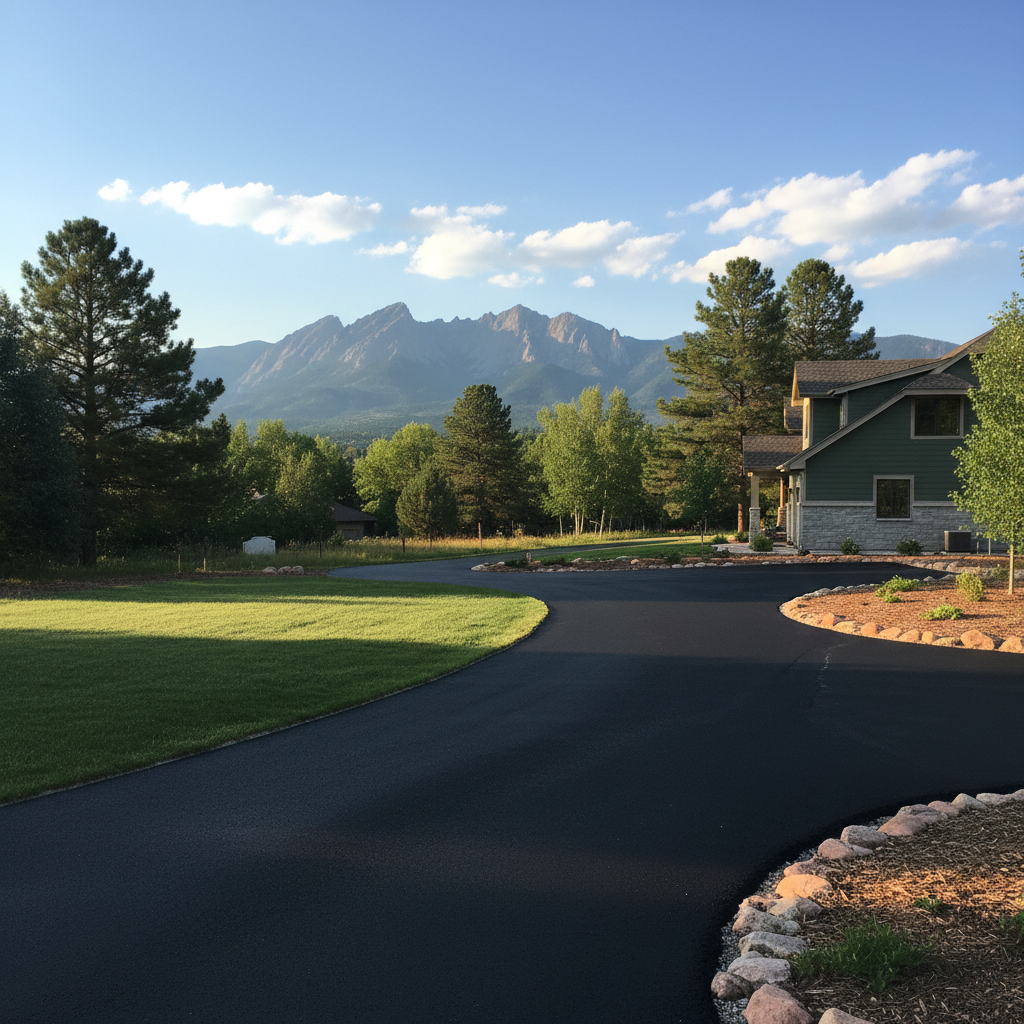
When's the Right Time to Sealcoat?
Planning is key when you're thinking about sealcoating your driveway. It's not a year-round job here in Boulder, that's for sure. You're really looking at a window from late spring through early fall – typically May through September, maybe early October if we get a nice, warm stretch. The big thing we need is consistent temperatures above 50 degrees Fahrenheit, both during the day and overnight. If it's too cold, the sealer won't cure properly, and you'll just be wasting your money. Rain is another factor; we need at least 24 hours of dry weather before applying the sealer and another 24-48 hours after for it to set up right. So, when you're talking to contractors, make sure they're scheduling based on the forecast, not just their availability.
Don't wait until your driveway is falling apart, either. Sealcoating is preventative maintenance, not a miracle cure. If you've got major cracks, potholes, or significant deterioration, you'll need repairs first. We generally recommend sealcoating every two to three years for most residential driveways, especially with our freeze-thaw cycles and the strong UV we get up here against the Flatirons. It's like changing the oil in your car – do it regularly, and you'll extend the life of the whole system.
What to Expect During the Sealcoating Process
Alright, so you've got your contractor lined up, the weather's looking good, and it's time for the work to begin. What's actually going to happen?
- First, we'll clean the driveway thoroughly. This isn't just a quick sweep; it involves power blowing, wire brushing, and sometimes even a little pressure washing to get rid of all the dirt, debris, oil spots, and loose aggregate. If there's any moss or weeds growing in cracks, those need to go too. This step is crucial because the sealer needs a clean surface to bond to.
- Next up is crack filling. Any cracks wider than about a quarter-inch will get filled with a hot-applied rubberized crack filler. This stuff is flexible and helps prevent water from getting under your asphalt, which is what causes a lot of the damage we see around here, especially in areas with expansive clay soils.
- Then comes the actual sealcoat application. Most reputable contractors, like us at Boulder Asphalt Pros, will apply two coats. The first coat goes down, and then we let it dry for a few hours before applying the second. This two-coat system gives you better coverage, better protection, and a more uniform finish. We'll typically use either a squeegee or a spray application, depending on the driveway's condition and the type of sealer.
- Finally, drying time. This is where patience comes in. You'll need to keep off the driveway for at least 24-48 hours, sometimes longer if it's humid or cooler. We'll put up barricades or tape to make sure no one accidentally drives on it too soon. Driving on it too early can leave tire marks and compromise the sealer's integrity.
How to Prepare Your Driveway for Sealcoating Day
You've got a role to play too! A little prep work on your end can make the whole process smoother and ensure a better result. Here's what I tell folks:
- Clear the driveway completely. That means moving your cars, bikes, trash cans, basketball hoops, potted plants – anything that's on the asphalt needs to be off.
- Trim back any low-hanging branches or shrubs that might be overhanging the driveway. This gives us clear access and prevents sealer from getting on your plants.
- Turn off your sprinkler system for at least 24 hours before and after the scheduled work. We don't want water spraying onto the fresh sealer.
- If you have any pets, make sure they're contained and won't be able to walk on the wet sealer. It's not good for them, and it'll track sealer everywhere.
- Make sure we have access to a water spigot if needed for cleaning or mixing.
- Let your neighbors know what's happening, especially if we'll be blocking off access for a day or two. A little heads-up goes a long way.
Key Questions to Ask Before You Sign That Contract
Don't just go with the cheapest bid. Ask some smart questions to make sure you're getting a quality job from a reliable company.
- What type of sealer do you use? There are different grades and types. Coal tar emulsion and asphalt emulsion are common. Ask about the solids content and if they dilute it. A higher quality sealer with more solids will last longer.
- How many coats will you apply? As I mentioned, two coats are standard for a good job. If they only plan one, that's a red flag.
- What's your crack filling process? Make sure they're using a hot-applied, rubberized filler for anything significant. Cold pour fillers don't last.
- What's your warranty? A reputable company should stand behind their work. Ask what's covered and for how long.
- Are you licensed and insured? This is non-negotiable. You want to make sure they have liability insurance in case of an accident. Ask for proof.
- Can you provide references? A good contractor will be happy to share contact info for past clients.
- What's the estimated drying time? Get a clear understanding of when you can use your driveway again.
- How do you protect surrounding areas? Will they tape off your garage door, house foundation, or landscaping to prevent overspray?
Asking these questions upfront will save you headaches down the road. You want a smooth process and a driveway that looks great and is protected for years to come. It's an investment, so make sure you're making a smart one.