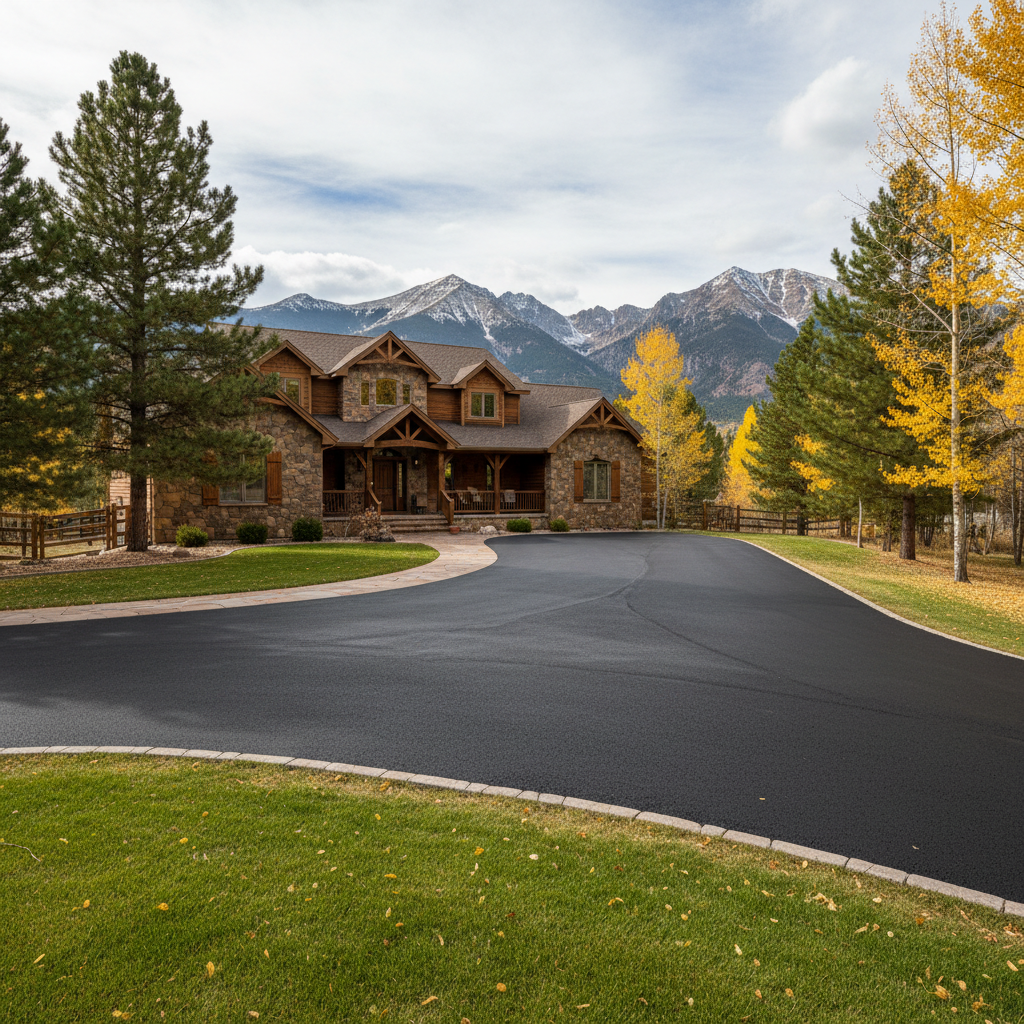
You've got a beautiful home in Boulder, maybe up in the Newlands or out towards Gunbarrel, and you want your driveway to look its best and last a long time. Sealcoating seems like a no-brainer for asphalt maintenance, and it is! But I see folks make the same few mistakes over and over, and it usually ends up costing them more time, money, or a whole lot of frustration. Let's talk about what to watch out for.
Mistake #1: Not Checking the Weather Forecast (Seriously)
This sounds obvious, right? But you'd be surprised. Sealcoat needs specific conditions to cure properly. I'm talking about temperatures that stay above 50 degrees Fahrenheit for at least 24 hours, and no rain in the forecast for the same period. Here in Boulder, we can get those afternoon pop-up thunderstorms, or a sudden cold snap, even when the morning looks great. If you apply sealcoat and it washes away or freezes before it cures, you've just wasted your money and now you've got a mess. Always check the extended forecast, and if a contractor tries to push through a job when the weather looks iffy, that's a huge red flag. A good pro will reschedule without a fuss.
Mistake #2: Going Too Cheap or DIYing for the Wrong Reasons
Look, I get it. Everyone wants to save a buck. But when it comes to sealcoating, the cheapest bid often means the cheapest materials or cut corners. Some contractors will thin out their sealcoat with too much water to make it stretch further, or they'll use a low-quality product that won't last. You might save a hundred bucks upfront, but you'll be sealcoating again next year, or worse, dealing with premature cracking and deterioration. As for DIY, if you're just doing a small patch, sure. But for a whole driveway, especially if it's got cracks or needs proper cleaning and prep, you're probably going to miss spots, apply it unevenly, or just get exhausted and do a mediocre job. It's a lot of physical work, and getting a uniform, durable finish takes practice and the right equipment. You wouldn't try to re-roof your house yourself, would you? Think of your driveway's longevity similarly.
Mistake #3: Ignoring Driveway Prep (The Most Important Step)
This is where a lot of homeowners and even some shoddy contractors fall short. You can't just slap sealcoat over a dirty, cracked driveway and expect miracles. Proper preparation is 80% of the job. This means:
- Thorough Cleaning: All dirt, debris, oil stains, and loose aggregate need to be removed. Power washing, sweeping, and sometimes even degreasing are essential.
- Crack Repair: Small cracks need to be filled properly before sealcoating. If you sealcoat over open cracks, they're just going to get bigger, and water will seep underneath, causing more damage.
- Edge Trimming: Overgrown grass or weeds along the edges need to be cut back. If not, the sealcoat won't adhere properly at the edges, leading to peeling.
If a contractor shows up and just starts spraying without spending significant time on prep, send them packing. They're not doing it right, and your sealcoat won't last. We always spend a good chunk of time on this at Boulder Asphalt Pros because we know it makes all the difference.
Mistake #4: Not Asking About the Product
Not all sealcoats are created equal. There are different types, and some are better suited for our climate here in Boulder, with its intense UV exposure and freeze-thaw cycles. Ask your contractor what kind of sealcoat they're using. Is it coal tar based, asphalt emulsion based, or acrylic? What's the solid content? A reputable contractor should be happy to tell you and explain why they choose that particular product. If they're vague or get defensive, that's a sign they might be using an inferior product or just don't know much about what they're applying.
Mistake #5: Forgetting About Curing Time
Once the sealcoat is down, you can't just drive on it an hour later. It needs time to cure. Most products recommend at least 24-48 hours, sometimes longer depending on humidity and temperature. Driving on it too soon will leave tire marks, scuffs, and can even peel the fresh sealcoat right off. I've seen it happen. Plan ahead! Make sure you can park your cars elsewhere for a couple of days. It's a small inconvenience for a much longer-lasting finish.
Hiring for sealcoating shouldn't be a headache. By avoiding these common mistakes, you'll ensure your investment protects your driveway for years to come. Do your homework, ask questions, and don't be afraid to walk away if something feels off. Your driveway will thank you for it.