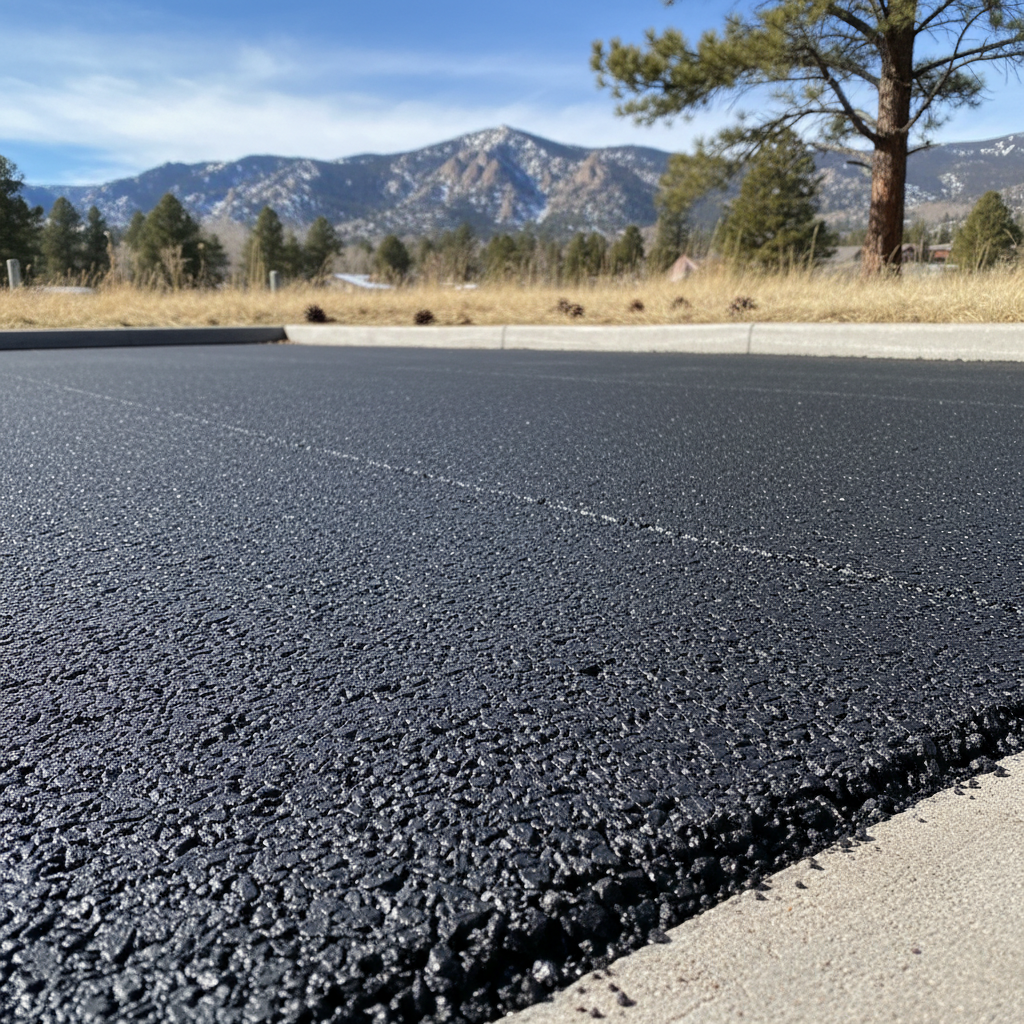
So, you're thinking about your asphalt driveway. Maybe it's seen better days, or you're putting in a new one. It's a big investment, and you want to get it right. I've been doing this for a while here in Boulder, and I've seen homeowners try to tackle too much, or not enough, on their own. Let's break down what you can realistically do yourself and when it's smart to pick up the phone and call someone like us at Boulder Asphalt Pros.
Before the Project: Planning & Prep
This is where most of the homeowner-friendly work happens. Before any heavy machinery shows up, or you even get quotes, there are a few things you should consider. First, think about drainage. Boulder gets its share of rain and snow, and you don't want water pooling on your new driveway or, worse, running towards your foundation. Walk your property after a good rain. Where does the water go? If your yard slopes towards your house, you might need to think about grading or a small swale to divert water. This isn't just about asphalt; it's about protecting your home.
Next, consider the size and shape. Are you just replacing what's there, or are you expanding? If you're expanding, you might need to deal with landscaping, sprinkler lines, or even utility easements. Always check with the city's planning department if you're making significant changes to your property's footprint, especially if you're near a creek or in an area with specific zoning like the Hill or Newlands. You don't want to get halfway through a project only to find out you need a permit you didn't pull.
As for DIY prep, you can definitely clear the area. Remove any old gravel, debris, or vegetation. If there's an old asphalt driveway you're replacing, you might be able to break it up yourself with a jackhammer you can rent, but hauling away tons of old asphalt is a massive job. That's usually where I tell folks to save their backs and let the pros handle the demo and removal. We've got the equipment to do it efficiently and dispose of it properly.
During the Project: What to Expect
Once you've got a contractor lined up, or if you're doing a smaller repair yourself, here's what's happening. For a full replacement, the first step is always excavation and grading. We dig out the old stuff, then grade the subgrade to ensure proper water runoff. This is critical. If the subgrade isn't properly compacted and sloped, you're going to have problems down the road – literally. This isn't a DIY job unless you're a heavy equipment operator with a compaction roller in your garage.
Next comes the base layer. This is typically a crushed aggregate, like gravel, that gets laid down and compacted. It provides the structural support for your asphalt. The thickness of this base depends on your soil conditions – and here in Boulder, we've got everything from sandy loam to heavy clay, which can impact how much base material you need. A good contractor will know this and adjust accordingly. Again, proper compaction is key. You can rent a plate compactor for small areas, but for a whole driveway, you're looking at professional-grade equipment.
Finally, the asphalt goes down. This is hot work, literally. Asphalt is applied hot, usually between 250-325 degrees Fahrenheit, and then compacted immediately with heavy rollers. This is definitely not a DIY project for a full driveway. You need specialized equipment, a crew, and the knowledge to lay it evenly, achieve the right thickness, and compact it correctly before it cools. Trying to do this yourself will almost certainly lead to a lumpy, uneven, and short-lived driveway.
For smaller repairs, like filling a pothole, you can buy cold patch asphalt at a hardware store. It's not as durable as hot mix, but it's a decent temporary fix. Clean out the pothole, fill it with the cold patch, and compact it as best you can with a tamper or even your car tire. Just know it's not a permanent solution.
After the Project: Care & Maintenance
Once your new asphalt is down, don't drive on it right away. Most contractors will recommend waiting 2-3 days, sometimes longer if it's a particularly hot stretch of weather, before putting any vehicle weight on it. This allows the asphalt to cure and harden properly. You'll also want to avoid parking heavy vehicles in the same spot for extended periods during its first few months, especially in direct sun. The asphalt is still relatively soft and can develop depressions.
Maintenance is key to making your investment last. The biggest things homeowners can do are keep it clean and address cracks early. Sweep off dirt, leaves, and debris regularly. Don't let oil or gas spills sit; clean them up immediately as they can break down the asphalt binder. For cracks, you can buy crack filler at a home improvement store. Clean out the crack, apply the filler, and let it cure. This is a good DIY task that can prevent small cracks from becoming big, expensive problems.
Sealcoating is another important maintenance step. It protects your asphalt from UV rays, water, and chemicals. While some homeowners attempt sealcoating themselves, it's a messy job, and getting an even, durable coat requires practice and the right equipment. If you're going to do it, make sure you clean the surface thoroughly, fill all cracks first, and apply thin, even coats. But honestly, for a professional, long-lasting sealcoat, most folks call us. We've got the specialized sprayers and commercial-grade sealants that just perform better than what you can buy off the shelf.
Ultimately, a new asphalt driveway is a significant upgrade to your home. Doing a little homework, understanding the process, and knowing when to call in the pros will save you headaches and money in the long run. If you've got questions about your specific project, don't hesitate to give Boulder Asphalt Pros a call. We're always happy to talk through your options.