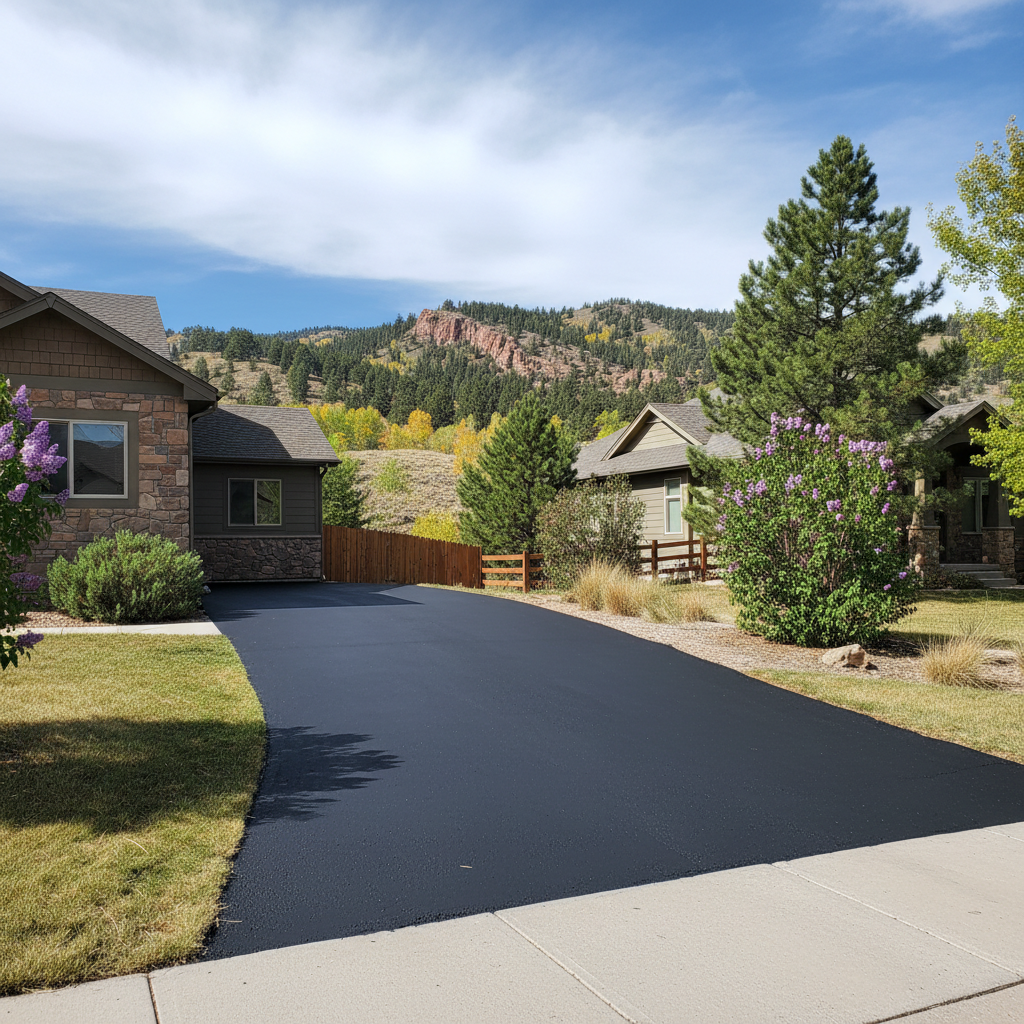
Alright, let's get straight to it. You've got an asphalt driveway, and you know sealcoating is important for keeping it in good shape, especially with our crazy Boulder weather. But I've seen folks make some pretty common, and frankly, avoidable mistakes when they're planning or hiring for a sealcoating job. I'm here to tell you what those are, so you don't end up regretting it.
Mistake #1: Going for the Cheapest Bid, Every Time
Look, I get it. Everyone wants to save a buck. But when it comes to something like sealcoating, the absolute cheapest bid is almost never the best one. I've seen so many homeowners get burned by this. A ridiculously low price often means corners are being cut. Maybe they're using watered-down material that won't last six months, or they're skipping crucial prep work. You wouldn't hire the cheapest brain surgeon, right? Your driveway might not be a brain, but it's a significant investment in your home's curb appeal and structural integrity.
Ask yourself why one bid is so much lower than others. Is it because they're not insured? Are they using inferior products? Are they just planning to spray and dash? A reputable contractor, like us at Boulder Asphalt Pros, has overhead, quality materials, and skilled labor. That costs money. If it sounds too good to be true, it probably is.
Mistake #2: Not Checking References or Reviews
This one seems obvious, but people still skip it. You're letting someone work on your property, potentially with heavy equipment and messy materials. You need to know they're reliable. Don't just take their word for it. A quick search online can tell you a lot. Look for consistent positive reviews, but also pay attention to how they respond to negative ones. A company that addresses complaints professionally is usually a good sign.
Even better, ask for references from recent jobs. Call those people! Ask them about the contractor's punctuality, cleanliness, and the quality of the finished work. Did they stick to the quote? Were there any surprises? This isn't being nosy; it's being smart. You're doing your due diligence to protect your investment.
Mistake #3: Ignoring the Prep Work
Sealcoating isn't just about slapping black stuff down. The quality of the job is probably 70% prep work. If the surface isn't properly cleaned, cracks aren't filled, or oil stains aren't treated, that sealcoat isn't going to adhere right, and it's going to fail quickly. I've seen driveways in places like the Newlands neighborhood, where folks have older, established asphalt, and they try to just cover up existing problems. That's a recipe for disaster.
A good contractor will clean the surface thoroughly, often with power washing and wire brushing. They'll fill cracks with hot rubberized crack filler, which is crucial for preventing water penetration. They'll treat oil and gas stains so the sealcoat doesn't just peel off those areas. If a contractor tells you they can just spray it on without much prep, show them the door.
Mistake #4: Not Understanding the Curing Time
You've had your driveway sealcoated, it looks great, and you're ready to drive on it. Whoa, hold your horses! Sealcoat needs time to cure properly. Driving on it too soon is one of the quickest ways to ruin a fresh job. You'll end up with tire marks, scuffs, and potentially even pull up the new coating.
Most sealcoats need at least 24-48 hours before you can drive on them, and sometimes longer depending on the weather conditions – temperature, humidity, and even how much sun it's getting. In Boulder, with our intense sun, it might dry faster on the surface, but it still needs to cure all the way through. Your contractor should give you clear instructions on when it's safe to use your driveway again. Don't rush it; patience here saves you a lot of headache.
Mistake #5: Not Asking About the Product Being Used
Not all sealcoats are created equal. There are different types, and their quality varies wildly. Some are water-based, some are asphalt-based, and they have different additives for durability, flexibility, and UV protection. You want a high-quality, commercial-grade product that's designed to withstand our specific climate challenges here in Boulder – the freeze-thaw cycles, the intense summer sun, and the occasional heavy snow.
A good contractor will be transparent about the product they use and why they use it. Don't be afraid to ask. If they get defensive or vague, that's a red flag. You're paying for a service and a product; you have every right to know what's going on your driveway.
Mistake #6: Waiting Too Long (or Not Long Enough) Between Applications
There's a sweet spot for sealcoating. If you do it too often, you can build up too much material, which can lead to cracking and peeling. If you wait too long, your asphalt can deteriorate to the point where sealcoating won't do much good, and you're looking at more expensive repairs or even replacement.
Generally, for residential driveways, I recommend sealcoating every 2-3 years. This can vary based on traffic, sun exposure, and the initial quality of your asphalt. Keep an eye on your driveway. If it's starting to look dull, faded, or you see small cracks appearing, it's probably time. Don't wait until it's a patchwork of potholes and spiderweb cracks. Regular maintenance is always cheaper than major repairs.
Avoiding these common mistakes will save you money, frustration, and ensure your asphalt driveway stays looking great and performing well for years to come. Do your homework, ask the right questions, and don't settle for less than a quality job.