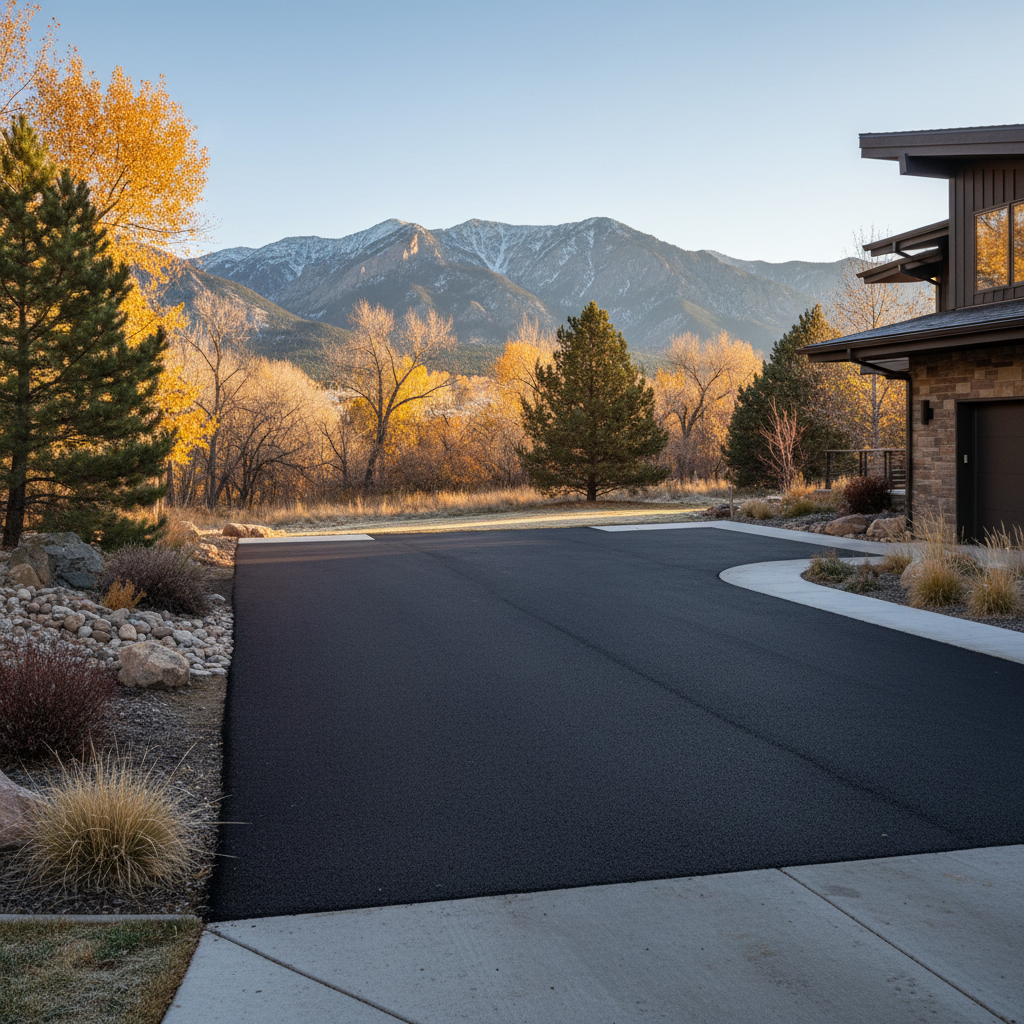
Running a business in Boulder means you've got a lot on your plate. The last thing you need is a crumbling parking lot or a cracked driveway giving customers a bad first impression. I've been working with asphalt here for years, and one thing's for sure: our unique climate plays a huge role in how long your pavement lasts and when it's smart to get work done.
Timing is Everything: When to Pave in Boulder
You can't just pave whenever you feel like it, especially not with commercial jobs. Asphalt needs specific conditions to cure right and give you the longevity you're paying for. Here in Boulder, that usually means we're looking at a pretty specific window.
- Spring (Late April - June): This is prime time. The ground has thawed out completely, and we're generally past the worst of the late-season snowstorms. Temperatures are consistently above 50°F, which is ideal for laying down new asphalt. The base layers can dry out properly, and the asphalt mix stays workable. If you're planning a major resurfacing or a new installation, this is when you want to get on the schedule.
- Summer (July - August): Still a good window, but you need to watch out for those intense afternoon thunderstorms we get sometimes. Paving during a downpour is a no-go. The heat is great for the asphalt, helping it compact well, but too much humidity or sudden cooling from rain can cause issues. We're usually out there early in the morning to beat the heat and potential storms.
- Fall (September - October): Often a second excellent window, especially early fall. The days are still warm enough, and the ground temperatures are usually stable. We're generally past the summer storms, and the really cold nights haven't set in yet. As we get deeper into October, though, the risk of freezing temperatures overnight increases, which can affect the curing process. You don't want to be laying hot asphalt on ground that's about to freeze.
- Winter (November - March): Forget about it for major projects. The ground is too cold, and the asphalt won't compact or cure correctly. You'll end up with a brittle surface that's prone to cracking almost immediately. The only thing we're doing in winter is emergency pothole repairs, and even those are often temporary fixes until spring.
Boulder's Weather and Your Asphalt
Our weather isn't just about hot and cold. We've got a few other things that make paving here a bit different:
- Freeze-Thaw Cycles: This is the big one. We get a lot of days where it thaws during the day and freezes at night. Water seeps into tiny cracks, expands when it freezes, and then thaws, leaving bigger cracks. This cycle is brutal on asphalt. Good drainage and a solid base are your best defense.
- High Altitude Sun: The UV rays up here are no joke. They break down the binders in asphalt, making it brittle and faded over time. That's why sealcoating isn't just cosmetic; it's a critical protective layer.
- Expansive Soils: Especially in areas like the north side of town, we deal with expansive clay soils. These soils swell when wet and shrink when dry, which can put a lot of stress on your pavement if the base isn't designed correctly. We always take soil conditions into account before starting a job.
Protecting Your Commercial Asphalt Investment Year-Round
You've spent good money on your pavement, so let's make it last. Here’s how you can protect that investment:
Regular Inspections and Minor Repairs
Don't wait until a pothole is big enough to swallow a small car. Walk your lot regularly. Look for small cracks, oil spots, or areas where water is pooling. Catching these issues early means a much cheaper and easier fix. A small crack can turn into a major headache quickly with our freeze-thaw cycles.
Sealcoating: Your Asphalt's Sunscreen
I can't stress this enough. Sealcoating every 2-3 years is probably the single most important thing you can do to extend the life of your commercial asphalt. It protects against UV rays, water penetration, and even oil and gas spills. Think of it as a fresh coat of paint that also adds a layer of armor. It makes your lot look sharp, too.
Proper Drainage is Key
Water is asphalt's worst enemy. Make sure your drainage systems – catch basins, swales, and grading – are clear and functioning. If water sits on your pavement, it's going to find its way in and start causing damage. We always assess drainage when we're doing a new installation or major repair at Boulder Asphalt Pros.
Keep it Clean
Regular sweeping removes dirt, debris, and gravel that can abrade the surface. Plus, it just looks better for your customers. Oil and chemical spills should be cleaned up quickly to prevent them from breaking down the asphalt binder.
Manage Heavy Loads
If you have heavy truck traffic or dumpsters, make sure those areas are designed to handle the weight. Sometimes, a thicker asphalt section or a concrete pad is necessary in these high-stress zones to prevent premature failure.
Look, maintaining your commercial asphalt isn't rocket science, but it does require a bit of foresight and understanding of what our Boulder climate throws at it. If you've got questions about your specific property or you're ready to get on the schedule for some work, give us a call at Boulder Asphalt Pros. We're happy to take a look and give you an honest assessment.