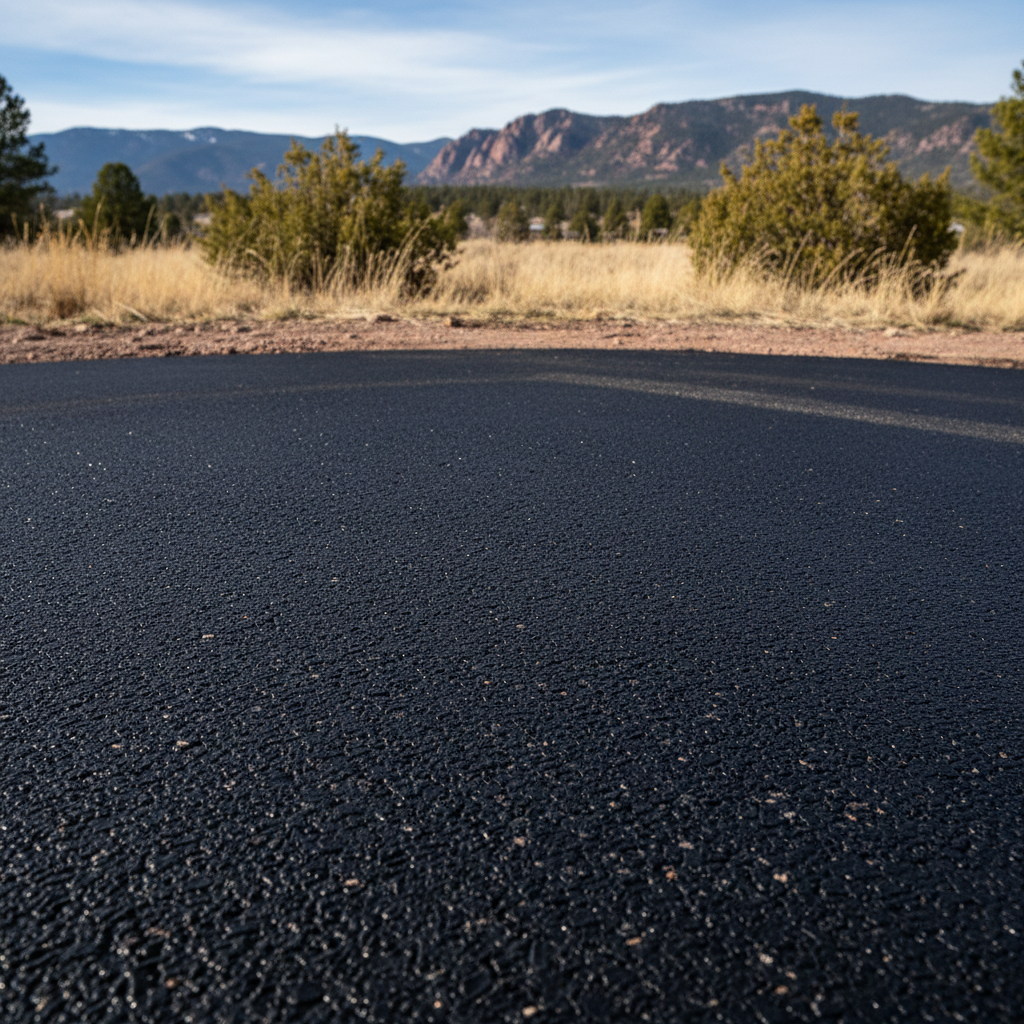
Here in Boulder, we see those annoying potholes and cracks that pop up in your asphalt driveway. Our area has crazy freeze-thaw cycles as well as sometimes clay-heavy soils. It is not a matter of if you will see some damage, but when you will see it. You might look at that hole and think, 'Can I just fix this myself?' Sometimes, you absolutely can fix it. Other times, you are better off calling in the cavalry. We will break down what you need to know about your asphalt patching needs.
Before You Grab That Shovel: Assess the Damage
Before you even think about buying a bag of cold patch, you need to figure out what kind of problem you are dealing with. Not all asphalt damage is the same. Boulder Asphalt Pros knows that different types of damage need different solutions.
- Small Potholes and Minor Cracks: If you have a pothole that is not too deep or wide, or a crack that is bigger than a quarter-inch but not a full-blown spiderweb, you might be able to handle it. These are the kinds of things that cold patch asphalt was made for.
- Alligator Cracking: If you see a pattern that looks like alligator skin, that is usually a sign of a deeper issue with your asphalt's foundation. You can patch the surface, but it is probably going to come back. The real problem is underneath the surface.
- Large, Deep Potholes or Uneven Surfaces: If the damage is extensive, deep, or if your driveway is starting to buckle or warp, that is a big red flag. This often means the base layer is compromised. A simple patch will not fix this kind of damage.
- Water Pooling: If water is consistently pooling in certain spots, it shows drainage issues or significant depressions. Patching might temporarily fill the hole, but it will not fix the underlying problem of water getting into your subgrade. Water is a killer for asphalt in Boulder.
For anything beyond small, isolated issues, you are likely looking at a job for the pros. Trying to DIY a major structural problem is like putting a band-aid on a broken leg. It just will not hold up, especially with our local climate constantly testing your pavement in Boulder.
DIY Patching: What You Can Realistically Do
Okay, so you have a small pothole or a crack that is a good candidate for a DIY fix. You are probably going to use what is called 'cold patch' asphalt. Cold patch is readily available at hardware stores. It does not need to be heated, which makes it perfect for homeowners in Boulder.
Before the Project: Get Your Gear Ready
You do not need a whole paving crew's worth of equipment. You will want a few things for your asphalt patching project in Boulder.
- Cold Patch Material: Get a good quality cold patch. Some cold patch materials even have polymer binders for better longevity.
- Shovel or Trowel: This is for getting the material into the hole.
- Stiff Broom or Wire Brush: This is important for cleaning the area.
- Hand Tamper: This is important for compacting the patch. You can use a heavy piece of wood or even your car tire for small, shallow patches. A dedicated tamper works best for this job.
- Safety Gear: Gloves, eye protection, and sturdy shoes are a must for safety.
- Optional: A chisel or pickaxe for squaring up edges is good. A leaf blower for clearing debris is also helpful.
During the Project: The Steps to a Decent Patch
- Clean it Out: This is probably the most important step for asphalt patching. You need to get all the loose debris, dirt, and standing water out of the pothole. Use your broom, brush, and maybe a leaf blower for this. If there is any vegetation, pull it out. The cleaner the hole, the better your patch will stick.
- Square Up the Edges (Optional but Recommended): For a more durable patch, try to make the edges of the pothole as vertical as possible. You can use a chisel or pickaxe for this work. It gives the new material something solid to bond against.
- Fill 'er Up: Pour the cold patch material into the hole. If the pothole is deeper than about two inches, you should fill the bottom with crushed gravel first. Then you can add the cold patch. You will want to overfill it slightly, creating a small mound.
- Compact, Compact, Compact: This is where the tamper comes in for your asphalt patching project. Press down firmly and repeatedly on the cold patch. You want it to be as dense as possible. Keep adding material and tamping until the patch is slightly crowned above the surrounding asphalt. The idea is that traffic will continue to compact it down to flush.
After the Project: Patience is a Virtue
Once you have tamped it down, you can usually drive on cold patch immediately. Cold patch asphalt cures through oxidation, which means it hardens over time as it is exposed to air. It is not as strong as hot mix. It can take weeks to fully harden. Avoid sharp turns or heavy braking on the fresh patch for a few days if you can. This will give it the best chance to set properly in Boulder.
When to Call Boulder Asphalt Pros: Leave it to the Experts
Cold patch is a temporary fix for your asphalt. It is great for getting you through a season or two. This is especially true if a pothole pops up in the dead of winter when hot asphalt is not an option. Cold patch is not a permanent solution for asphalt patching in Boulder.
You need to call us, Boulder Asphalt Pros, when:
- You want a permanent repair: Hot mix asphalt, applied by professionals, creates a much stronger as well as more durable as well as longer-lasting patch. It bonds fully with your existing pavement, giving you years of service.
- The damage is extensive or structural: As we mentioned, alligator cracking, widespread unevenness, or buckling means there is a problem with the subgrade. We will need to do a full-depth repair. This involves removing the damaged asphalt and base, rebuilding the foundation, and then laying new hot asphalt. This is especially important in areas like the Newlands neighborhood where you might have older, less stable subgrades.
- You are dealing with drainage issues: If water is constantly collecting, we can assess the grading and slope of your driveway. Our team will fix the problem properly, not just the symptom.
- You do not have the time or tools: Not everyone enjoys spending their weekend tamping asphalt. We have the specialized equipment as well as expertise to get the job done right. We do it efficiently as well as with a warranty.
- You want it done right the first time: We use heated asphalt, which requires specific temperatures for application. We also use specialized compaction equipment to make sure it lasts.
We are right here in Boulder. Our team has seen it all when it comes to asphalt. We know how our local weather and soil conditions impact asphalt. Boulder Asphalt Pros is set up to provide lasting solutions. Do not hesitate to give Boulder Asphalt Pros a call for a free estimate if you are unsure about the best way to handle your asphalt patching needs. We are happy to talk through your project and help you decide what is best for your home in Boulder.