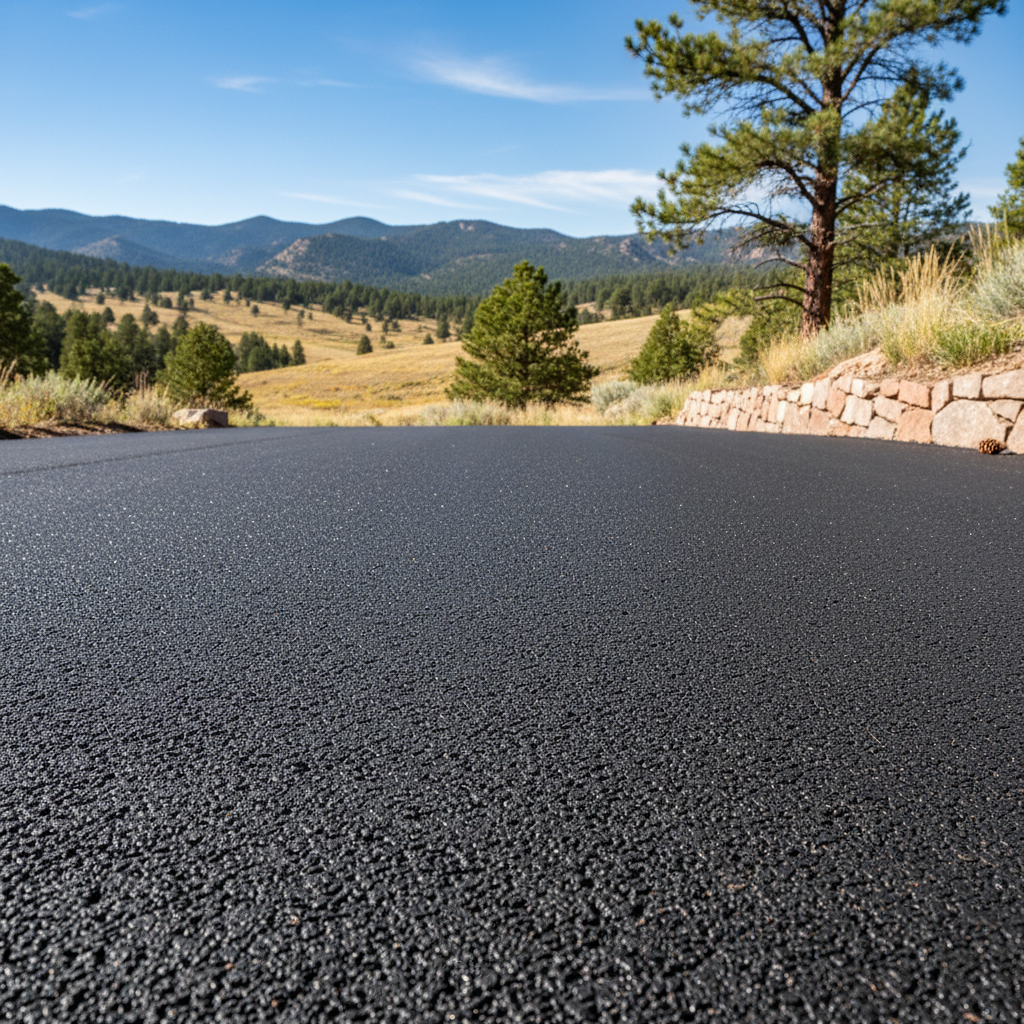
How long does a new asphalt driveway typically last in Boulder?
That's a question I get all the time, and the honest answer is, it depends. A well-installed asphalt driveway, using quality materials and proper compaction, can easily last 15 to 20 years, sometimes even longer, especially if you're good about maintenance. But here in Boulder, we've got some unique challenges. The freeze-thaw cycles we experience, especially in areas like the foothills where the temperature can swing wildly, put a lot of stress on pavement. Plus, our intense summer sun can dry out the asphalt binder over time. If you neglect things like crack sealing and sealcoating, you're looking at a much shorter lifespan, maybe 8-10 years before you're facing major repairs or even a full replacement. It's an investment, and like any investment, it needs a little looking after.
What's the best time of year to install a new asphalt driveway in Boulder?
Hands down, late spring through early fall is your sweet spot. We're talking May, June, July, August, maybe even early September if the weather holds. Why then? Asphalt needs warm temperatures to cure properly. When we're laying down hot asphalt, it's crucial that the ground underneath isn't frozen and that the air temperature is consistently above 50 degrees Fahrenheit, ideally even warmer. This allows the asphalt to compact correctly and achieve its maximum density and strength. Trying to pave in colder weather can lead to premature cracking and a weaker surface. Plus, you want a stretch of dry weather for the installation and initial curing. Our spring rains can be a bit unpredictable, but generally, late spring gives way to drier, warmer conditions perfect for paving. We're always watching the forecast closely for our Boulder Asphalt Pros jobs.
Can I pave over an existing concrete driveway with asphalt?
You can, but it's not always the best idea, and it comes with some big caveats. Paving over concrete is a common request, usually because folks want to save on the cost of full removal. The main issue is that concrete and asphalt behave differently with temperature changes. Concrete expands and contracts in rigid sections, and those joints or cracks in the concrete below will eventually reflect through your new asphalt layer. We call this 'reflective cracking.' To minimize this, you'd need to make sure the concrete base is in really good shape — no significant heaving, sinking, or major cracks. We'd often recommend an interlayer, like a paving fabric, to help absorb some of that movement. But honestly, for a long-lasting, problem-free driveway, removing the old concrete and starting fresh with a proper aggregate base is almost always the superior option. It costs more upfront, but it saves you headaches and money down the road.
How long before I can drive on my new asphalt driveway?
Patience is key here. For light vehicle traffic, like your car or a small SUV, you can usually drive on it after 2-3 days. But I always tell folks to wait at least 5-7 days for heavier vehicles, like a moving truck or an RV. The asphalt is still curing and hardening during that first week or two, even though it looks solid. It's especially important to avoid turning your wheels sharply in place (power steering marks) or parking heavy vehicles in the same spot for extended periods during this initial period. The hotter it is outside, the longer you should wait, because the asphalt stays softer in high temperatures. If you've just had Boulder Asphalt Pros lay down a new driveway, we'll give you specific instructions tailored to your project and the current weather conditions.
What causes those little puddles or standing water on my driveway after it rains?
Those puddles, or 'bird baths' as we sometimes call them, are usually a sign of improper drainage or uneven grading. When we install a driveway, we're not just laying down a flat surface; we're designing a subtle slope to direct water away from your house and off the pavement. If the sub-base wasn't prepared correctly, or if the asphalt wasn't laid with the right pitch, you'll end up with low spots where water collects. Over time, standing water is a real killer for asphalt. It seeps into tiny cracks, and when it freezes, it expands, making those cracks bigger and eventually leading to potholes. If you're seeing persistent puddles, it's something you want to address sooner rather than later to prevent more extensive damage. Sometimes it's a simple fix, other times it might indicate a larger issue with the sub-grade.
Is there anything I should avoid doing on my asphalt driveway?
Absolutely. You want to treat your asphalt driveway with a little respect to make it last. First off, avoid parking heavy equipment or vehicles on it for long periods, especially in hot weather. Things like RVs, trailers, or commercial trucks can leave permanent indentations. Don't let oil, gas, or other automotive fluids sit on the surface; they can break down the asphalt binder. Clean up spills quickly. Also, be careful with sharp objects like bicycle kickstands or high heels, which can leave small divots, especially when the asphalt is warm. And for goodness sake, don't use harsh chemicals or pressure washers with too much force on your asphalt; it can strip away the protective layers. Just a regular sweep and occasional wash with mild soap and water is usually all you need for cleaning.
How do I know if my driveway needs repair or a full replacement?
This is a big one, and it's where my experience really comes in handy. If you've got a few isolated cracks, maybe some small potholes, or minor surface deterioration, you're likely looking at repairs like crack filling, patching, or sealcoating. These are preventative measures that can extend the life of your driveway significantly. However, if you're seeing widespread alligator cracking (a pattern of interconnected cracks resembling alligator skin), significant heaving or sinking, large and numerous potholes, or if the entire surface is crumbling and showing signs of base failure, then you're probably past the point of simple repairs. At that stage, you're patching a problem that will just keep coming back. A full replacement, where we remove the old asphalt, address the sub-base, and lay down new material, becomes the more cost-effective and durable solution in the long run. I always recommend getting a professional assessment; we can come out, take a look, and give you an honest opinion on the best course of action for your Boulder home.