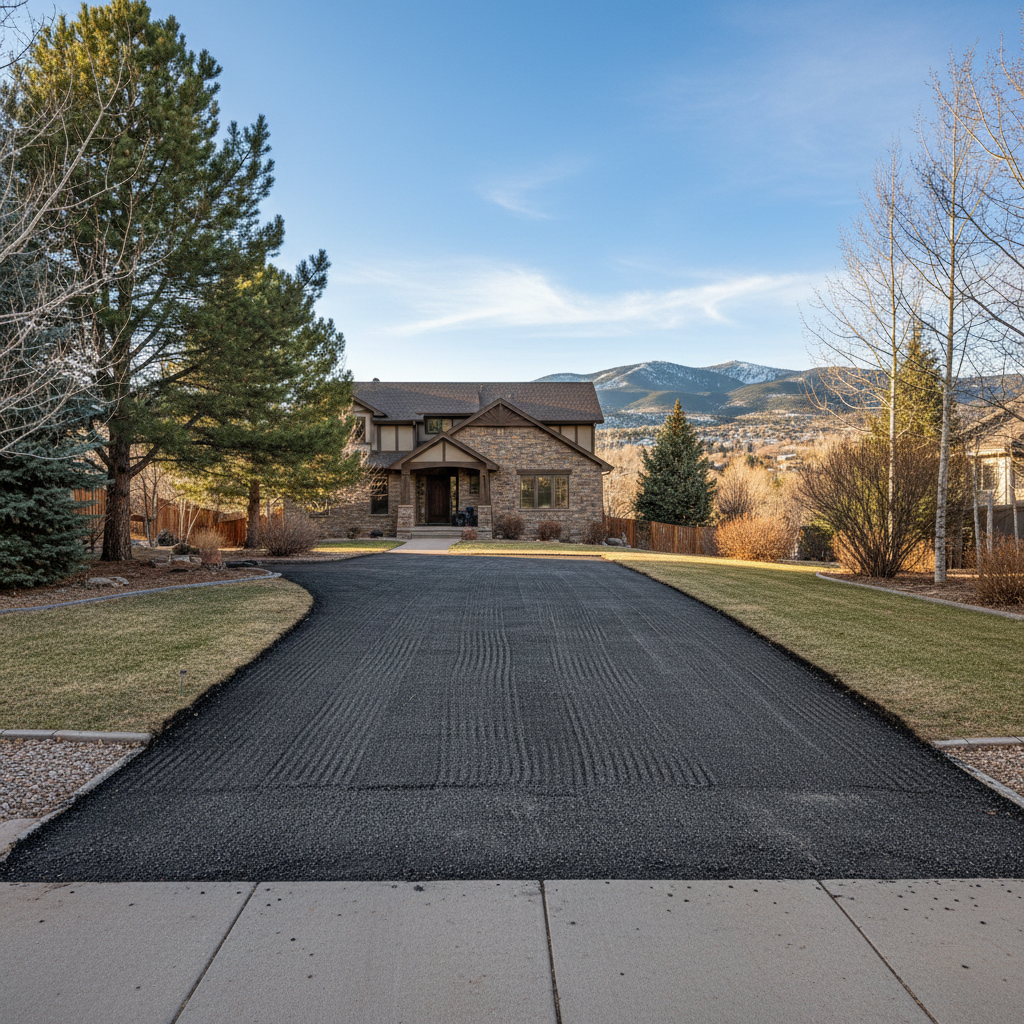
Alright, let's talk about asphalt milling. It’s a smart way to refresh your pavement without a full tear-out, especially if you've got a good base underneath. But I see homeowners in Boulder make some pretty common mistakes that can turn a good idea into a headache. You don't want to regret your milling project, so let's get you squared away.
Mistake #1: Not Understanding What Milling Actually Is (or Isn't)
This is a big one. Some folks think milling is just a fancy way of saying 'patching' or 'resurfacing.' It's not. Milling is when we use a specialized machine to grind off the top layer of existing asphalt. We're essentially shaving it down to a specific depth, leaving a rough, textured surface that's perfect for a new layer of asphalt to bond to. It's a precise process, not just a quick fix.
The key here is that it requires a solid foundation. If your base layer is shot – we're talking major cracks, potholes that go all the way through, or significant heaving from our freeze-thaw cycles here in Boulder – milling might not be enough. You'd be putting new asphalt on a bad foundation, and that's just throwing money away. We've seen plenty of properties in areas like Table Mesa where the soil conditions mean you really need to assess that base carefully.
Mistake #2: Skipping the Site Assessment
You wouldn't build a house without checking the ground, right? Same goes for milling. A good contractor isn't just going to give you a quote over the phone. They'll come out, walk the property with you, and really look at your existing asphalt. We're checking for things like:
- Drainage issues: Are there low spots that collect water? Milling won't fix those unless we plan for it.
- Base integrity: Are there signs of widespread base failure?
- Existing asphalt thickness: How much material can we actually remove without compromising the structure?
- Utility access: Are there manholes, water valves, or other utilities that need special attention during the milling process?
If a contractor is ready to quote you a price without a thorough look, that's a red flag. You need someone who's going to be honest about whether milling is even the right solution for your specific situation.
Mistake #3: Focusing Only on the Lowest Bid
Look, I get it. Everyone wants a good deal. But when it comes to asphalt work, the cheapest bid often ends up being the most expensive in the long run. Milling requires specific, heavy equipment and skilled operators. If someone's price seems too good to be true, it probably is.
They might be cutting corners by:
- Using old, poorly maintained equipment that breaks down, delaying your project.
- Not milling to the correct depth, leaving you with a thinner, less durable new surface.
- Not properly preparing the sub-base after milling, leading to premature failure.
- Not having proper insurance or licensing, which puts you at risk.
Ask for references, check their reviews, and make sure they're licensed and insured. Boulder Asphalt Pros, for example, always provides transparent quotes and we're happy to show you our credentials. You're investing in your property; make sure you're investing wisely.
Mistake #4: Not Considering the Future Use of the Area
Are you milling a residential driveway or a commercial parking lot? The requirements are different. A driveway for a couple of cars won't see the same stress as a parking lot for a busy office building or a multi-family complex in North Boulder. The depth of the mill, the type of asphalt laid down afterward, and the compaction all need to be tailored to the expected traffic load.
Talk to your contractor about how the area is used. Will heavy trucks be driving on it? Is it just for light vehicle traffic? This information helps us recommend the right specifications for your project, ensuring it lasts for years to come.
Mistake #5: Ignoring the Cleanup and Disposal Plan
Milling creates a lot of asphalt millings – basically, recycled asphalt pavement (RAP). This material can be reused, which is great for the environment and can sometimes reduce costs. But you need to know how your contractor plans to handle it.
Will they haul it away? Is there an option to leave some for your own use (like for a gravel path or fill)? Make sure this is clear in your contract. You don't want to be left with a huge pile of RAP that you then have to figure out how to get rid of yourself. A reputable contractor will have a plan for responsible disposal or recycling.
Milling is a fantastic solution for many asphalt problems, but you've got to go into it with your eyes open. Do your homework, ask the right questions, and don't be afraid to get multiple opinions. Your pavement will thank you for it.